Gas and farting: what is normal, what causes it and what helps
Everyone farts, and most of the time it simply means your gut is doing its job. Here is what health services say about where gas comes from, how much is normal, which foods and habits tend to cause more of it, and when it is worth talking to a doctor.
Updated November 6, 2026 · 7 min read · By the Log For Your Log team · 6 sources
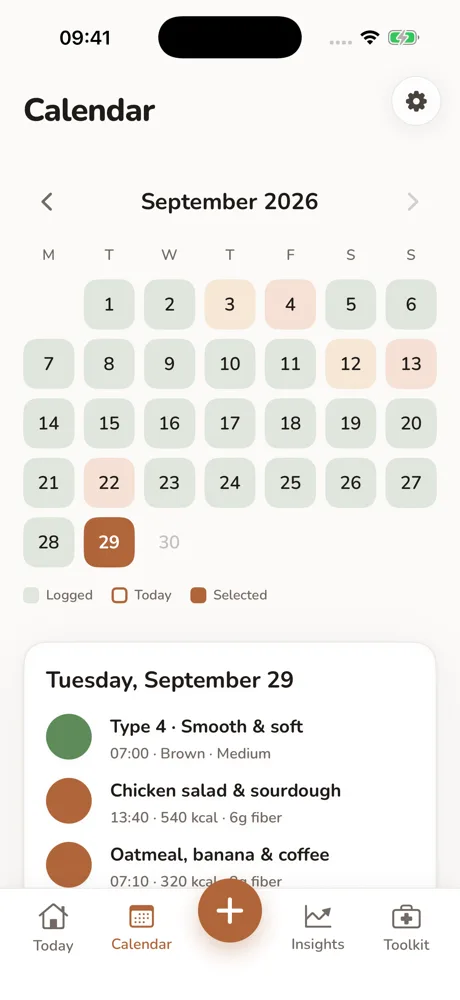
 Find out which meals line up with your gassy days. Free on iPhone.Get the app

General information, not medical advice. This page can help you notice patterns and talk with a clinician. It cannot tell you what is causing a symptom.
Why we pass gas
The gas inside your digestive tract is a mix of air and other gases. According to NIDDK, it usually leaves your body in one of two ways: through your mouth when you burp, or through your anus when you pass gas. NIDDK says having gas and some gas symptoms is normal, and that many people are bothered by gas once in a while.
Gas gets into your gut in two main ways. NIDDK explains that you swallow air when you eat and drink, and that bacteria in your large intestine create gas when they break down carbohydrates. Certain foods contain sugars, starches and fiber that your stomach and small intestine do not fully digest. Those carbohydrates travel on to your large intestine, where bacteria break them down and make gas in the process.
The NHS puts it simply: farting, also called flatulence or wind, is normal. Everyone farts, some people more than others, and what is normal is different for everyone.
How much farting is normal?
More than most people think. NIDDK says studies suggest people pass gas through the anus an average of 8 to 14 times a day, and some people pass gas more often. Experts consider passing gas up to 25 times a day to be normal.
Burping is common too. NIDDK says people typically belch up to 30 times a day. As for the smell, it notes that unpleasant odor may be due to sulfur in the gas.
| What | What NIDDK says |
|---|---|
| Passing gas, average | 8 to 14 times a day |
| Passing gas, still considered normal | Up to 25 times a day |
| Belching | Typically up to 30 times a day |
| People who experience bloating | Research suggests 16% to 31% |
Normal is a range, not a number
NIDDK says gas symptoms may be a problem if they happen often, bother you, or affect your daily activities. Some people also feel gas more strongly, even when a normal amount of gas is in their gut.
Foods and drinks that commonly cause gas
Some foods contain carbohydrates that are more likely to reach your large intestine undigested. NIDDK gives these examples of foods and drinks that may lead to extra gas:
- Some fruits and juices. Apples, peaches and pears, and fruit juices.
- Cruciferous vegetables. Broccoli, cauliflower, collard greens and kale.
- Legumes. Beans, peas and lentils.
- Dairy. Milk, ice cream and yogurt.
- Whole grains. Such as whole wheat.
- Drinks with high fructose corn syrup. Including fruit juices, soft drinks, sports drinks and energy drinks.
- Sweeteners ending in "-ol". Sorbitol, mannitol, xylitol, erythritol and maltitol, often found in sugar free candy and gum.
A few more to know about
The NHS list overlaps with NIDDK's and adds cabbage, brussels sprouts, onions, dried fruit such as raisins or apricots, and fizzy drinks and beer. It also suggests not drinking too much beer, wine or fruit juice if you fart a lot.
NIDDK adds that some people get more gas when they eat too much fiber, and that high fat foods can increase bloating.
Before you clear these foods out of your kitchen, remember that many of them are good for you. Whole grains, beans, lentils, fruit and vegetables are the same fiber-rich foods that NIDDK recommends for softer, easier poops. NIDDK also suggests adding fiber a little at a time so your body gets used to the change. The goal is to find the few foods that bother you, not to give up a whole food group.
Swallowed air counts too
Everyone swallows a little air when eating and drinking. NIDDK says swallowed air that does not leave your stomach when you burp may move into your intestines and come out as gas. You swallow more air when you chew gum or suck on hard candy, drink fizzy drinks, or wear loose fitting dentures.
The NIDDK treatment page adds drinking with a straw, talking while you eat or drink, and eating on the run to the list. If you smoke, it suggests talking with your doctor about ways to quit, and if you wear dentures, checking with your dentist that they fit correctly.
Practical steps that may help
These come straight from NIDDK and the NHS. Try one or two at a time so you can tell what makes a difference.
- Slow down. Eat more slowly and sit down to eat when you can. The NHS suggests drinking or chewing food slowly, with your mouth closed.
- Go smaller. Both NIDDK and the NHS suggest smaller, more frequent meals instead of large ones.
- Cut back on air. Chew less gum, suck fewer hard candies, and go easy on fizzy drinks and straws.
- Check labels for "-ol" sweeteners. Sorbitol and its cousins turn up in sugar free sweets and gum.
- Notice your biggest triggers. The NHS suggests not eating too many foods that are difficult to digest and make you fart.
- Keep moving. The NHS suggests exercising regularly to improve how your body digests food.
- Ask a pharmacist. The NHS says a pharmacist can tell you about products that may help and whether you should see a GP.
Find your own triggers with a diary
Gassy foods are different for different people. NIDDK says your doctor may ask you to keep a diary of what you eat and drink and your gas symptoms, which can help your doctor or dietitian work out whether certain foods and drinks could be causing them. You do not need to wait to be asked.
Keep entries short and consistent. A few days might look like this:
- Monday, 12:30. Lunch: bean chili with rice. 16:00. Symptom: lots of gas, mild bloating.
- Tuesday, 12:30. Lunch: chicken salad, sparkling water. 15:00. Symptom: some burping, gas normal.
- Wednesday, 08:00. Breakfast: cereal with milk. 10:30. Symptom: rumbling and gas.
- Thursday, 16:00. Snack: sugar free mints, three or four. 18:00. Symptom: gas and a looser bowel movement.
Look for repeats, not one-offs
One gassy evening proves little. If the same food lines up with symptoms on several days, that is worth noting and showing a doctor or dietitian. Our food and symptom diary guide explains how to read your notes.
When gas is linked to a health condition
Sometimes extra gas is part of something else going on. NIDDK lists irritable bowel syndrome (IBS) and other functional gut disorders, problems digesting certain carbohydrates such as lactose intolerance and dietary fructose intolerance, small intestinal bacterial overgrowth, and gastroesophageal reflux disease among the conditions that can cause more gas or gas symptoms.
The NHS also mentions constipation and coeliac disease, and says excessive or smelly wind can be a side effect of some medicines, including anti-inflammatory painkillers, some laxatives, antifungal medicines and statins. Do not stop or change a medicine without speaking to your doctor first. The NHS advises against guessing at a cause yourself, so if you are worried, talk to a GP.
When to see a doctor
NIDDK says to talk with your doctor if your gas symptoms change suddenly, if they bother you, or if you have other symptoms along with them, such as tummy pain, constipation, diarrhea or weight loss.
The NHS says to see a GP if farting is affecting your life and self help and pharmacy treatments have not worked, if you have a stomach ache or bloating that will not go away or keeps coming back, if you keep getting constipation or diarrhea, if you have lost weight without trying, or if you have had blood in your poo. Outside the UK, contact your own doctor. Our when to see a doctor guide brings the warning signs for bowel changes together.
Common questions
Why do I fart so much?
Usually because of swallowed air and the foods you eat. NIDDK says bacteria in your large intestine make gas when they break down carbohydrates your small intestine did not fully digest. Beans, some vegetables and fruits, dairy and "-ol" sweeteners are common culprits.
Is it normal to fart every day?
Yes. NIDDK says people pass gas an average of 8 to 14 times a day, and the NHS says everyone farts, some people more than others.
Is it normal to fart 50 times a day?
That is more than the range NIDDK describes, where up to 25 times a day is considered normal. It is not a reason to panic, but if gas is bothering you, has changed suddenly, or comes with pain, diarrhea, constipation or weight loss, talk with your doctor.
Why do I fart so much after eating?
NIDDK says some gas symptoms are normal, especially during or after meals. Eating quickly, large meals, fizzy drinks and gassy foods can all add to it. NIDDK and the NHS both suggest smaller meals and eating more slowly.
Why do I fart so much and how do I stop it?
You cannot stop it completely, and you would not want to. To reduce it, NIDDK suggests swallowing less air, eating smaller meals and having less of the foods that give you the most gas. A food and symptom diary helps you find those foods.
When to talk to a doctor
Contact a doctor promptly if you notice any of these. Get urgent help if you also feel faint, dizzy or very unwell.
- Blood in your stool, or black, tarry stool
- Pale, clay colored or white stool
- Losing weight without trying
- Severe or ongoing tummy pain
- A change in your usual pattern that lasts more than a few weeks
- Diarrhea with signs of dehydration, such as dizziness or very little urine
Sources
- Definition and facts for gas in the digestive tract, NIDDK (NIH)
- Symptoms and causes of gas in the digestive tract, NIDDK (NIH)
- Eating, diet and nutrition for gas in the digestive tract, NIDDK (NIH)
- Treatment for gas in the digestive tract, NIDDK (NIH)
- Farting (flatulence), NHS
- Eating, diet and nutrition for constipation, NIDDK (NIH)
How this page was made. Written by the Log For Your Log team with AI drafting help, then checked line by line against the sources below. Read how we write Learn.