Bloating after eating: common causes and what helps
Feeling full, tight or swollen after a meal is very common, and usually comes down to gas. Here is where that gas comes from, the everyday changes that help, how a diary narrows it down, and when to see a doctor.
Updated October 21, 2026 · 7 min read · By the Log For Your Log team · 6 sources
 Find out which meals come before your bloated days. Free on iPhone.Get the app
General information, not medical advice. This page can help you notice patterns and talk with a clinician. It cannot tell you what is causing a symptom.
What bloating after eating is
NIDDK describes bloating as a feeling of fullness or swelling in your abdomen, or belly. If your belly actually becomes larger than usual, doctors call that distention, and NIDDK says only about half of people with bloating also have distention.
The NHS says you may be bloated if your tummy feels full or bigger than usual, you have tummy pain or discomfort, your tummy is rumbling or making noises, or you are farting more than usual.
Some of this is expected. NIDDK says having some gas symptoms is normal, especially during or after meals. Gas symptoms become a problem if they happen often, bother you or affect your daily activities.
Why am I bloated after eating?
The NHS says the most common reason for bloating is having a lot of gas in your gut. That can be caused by some foods and drinks, such as some vegetables and fizzy drinks, or by swallowing air when you eat. NIDDK explains the two routes: gas enters your digestive tract when you swallow air, and when bacteria in your large intestine break down carbohydrates that your stomach and small intestine do not fully digest.
Here are the common causes the two services describe, and what they suggest for each:
| Cause | Why it happens | What may help |
|---|---|---|
| Swallowed air | NIDDK says you swallow more air when you eat or drink too fast, chew gum or suck on hard candy, drink fizzy drinks, smoke, or wear loose fitting dentures. | Eat more slowly, chew with your mouth closed (NHS), and avoid talking while eating or drinking with a straw (NIDDK). |
| Carbonated drinks | NIDDK says fizzy drinks make you swallow more air, and the NHS names them among the drinks that can cause bloating. | The NHS suggests not drinking lots of fizzy drinks, alcohol or caffeine in coffee and tea. |
| Certain foods | Some carbohydrates are not fully digested, and gut bacteria make gas from them (NIDDK). | Notice which ones affect you. The NHS suggests not eating lots of gassy foods like cabbage, beans or lentils. |
| Large or late meals | Both services suggest smaller meals rather than large ones. | Eat smaller, more frequent meals (NHS and NIDDK), and avoid large meals late at night or slouching when you eat (NHS). |
| Fatty or processed food | NIDDK says high fat foods can increase bloating in some people. | The NHS suggests not eating lots of processed, sugary, spicy or fatty foods. |
- Digestion problems. The NHS says bloating can also be caused by a food intolerance or irritable bowel syndrome (IBS). NIDDK adds that people who have problems digesting certain carbohydrates, such as lactose intolerance, may get bloating, tummy pain and diarrhea after certain foods or drinks.
- Your cycle. The NHS notes that some people feel bloated around the time of their period.
Bloated after eating healthy food?
This one surprises people. Many of the foods NIDDK lists as possible causes of excess gas are ones we are told to eat more of: certain fruits such as apples, peaches and pears; cruciferous vegetables such as broccoli, cauliflower and kale; legumes such as beans, peas and lentils; whole grains such as whole wheat; and dairy products such as milk and yogurt. NIDDK also says some people have more gas symptoms when they eat too much fiber.
Speed matters as well. MedlinePlus says increasing dietary fiber too quickly can lead to gas, bloating and cramps, so add it slowly. If you have just switched to a big salad or a bean heavy lunch, that may be the reason. Our guide to fiber and water covers how to build up gradually. The aim is to find your own limits, not to cut healthy foods out.
How to reduce bloating after meals
The NHS and NIDDK suggest these everyday changes:
- Slow down. Eat more slowly and, when you can, sit down to eat instead of eating on the run (NIDDK).
- Go smaller and more often. Smaller, more frequent meals instead of large ones (NHS).
- Cut back on swallowed air. Limit gum, hard candy, fizzy drinks and straws (NIDDK).
- Move. The NHS says exercising regularly can improve your digestion and help prevent bloating, and that exercise can also help when you are feeling bloated.
- Drink plenty of water (NHS).
- If you are constipated, the NHS suggests foods high in soluble fiber, such as oats or linseed.
- Try a gentle massage. The NHS suggests massaging your stomach from right to left to release trapped wind.
- Ask a pharmacist. The NHS says a pharmacist can help with bloating.
Use a food and symptom diary
It is hard to remember exactly what you ate and when symptoms started, so write it down. NIDDK says your doctor may ask you to keep a diary of what you eat and drink and your gas symptoms, and that the diary can help your doctor or dietitian work out whether certain foods and drinks could be causing them. NIDDK adds that reviewing a diary may also help your doctor find out whether you have excess gas or are more sensitive to normal amounts of gas.
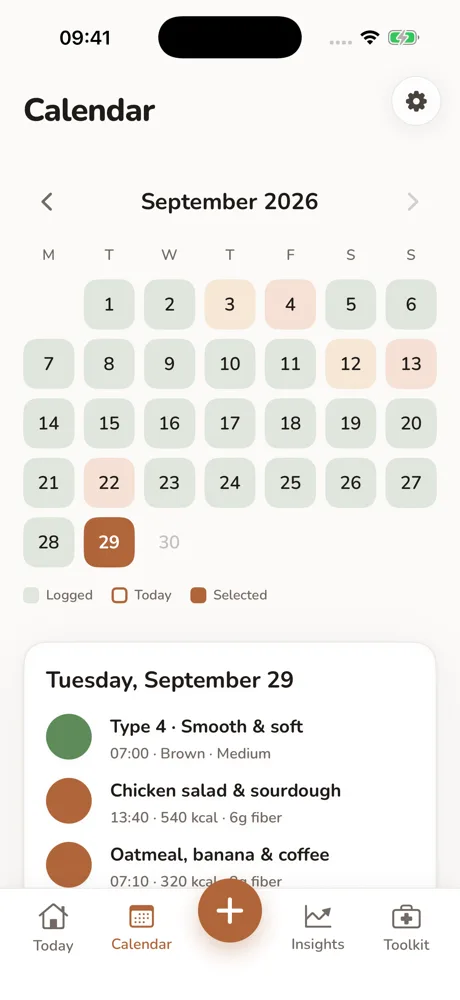
Record each meal and drink with the time, then rate bloating when it happens. A few days might look like this:
| When | What you log | Note |
|---|---|---|
| Monday, 12:45 | Lunch: bean chili, sparkling water | Ate at my desk, quickly |
| Monday, 15:00 | Symptom: bloating 6 out of 10 | Tight waistband, lots of wind |
| Tuesday, 12:30 | Lunch: chicken salad and sourdough, still water | Sat down, took 20 minutes |
| Tuesday, 15:00 | Symptom: bloating 2 out of 10 | Felt fine |
Change one thing at a time
Two days is not a pattern. Keep the diary for a couple of weeks, change one thing, and keep logging. Our food and symptom diary guide explains what to record and how to read it. NIDDK says that for some health conditions a doctor or dietitian may recommend a special diet, so talk to one before cutting out whole food groups.
When bloating needs a doctor
The NHS says to see a GP if you feel very bloated, you are often bloated or it does not go away. Specifically, it lists:
- You feel bloated regularly.
- You have tried changing your diet but keep feeling bloated.
- You have bloating and weight loss you did not try for.
- You have bloating and also have blood in your poo.
Signs to get help sooner
The NHS advises an urgent GP appointment, or calling 111 in the UK, if bloating comes with vomiting, diarrhea or constipation, with a stomach ache, with a high temperature or feeling hot, cold or shivery, with a swelling or lump in your tummy, if you cannot pee, poo or fart, or if you have a burning feeling in your chest from acid reflux.
Call your local emergency number if you have bloating with a swollen stomach and a severe stomach ache that came on very suddenly, you are vomiting blood or your vomit looks like ground coffee, or you have severe difficulty breathing (NHS).
NIDDK also says to talk with a doctor if your gas symptoms change suddenly, or if you have other symptoms such as tummy pain, constipation, diarrhea or weight loss along with them. Our when to see a doctor guide brings the warning signs together.
Common questions
Why am I bloated after eating anything?
Swallowing air while you eat can cause bloating whatever the meal, according to the NHS. It can also come from a digestion problem such as a food intolerance or IBS. If you feel bloated regularly, or it keeps coming back after you change your diet, the NHS says to see a GP.
Is it normal to feel bloated after every meal?
Some gas after meals is normal, says NIDDK, but symptoms may be a problem if they happen often, bother you or affect your daily activities. Feeling bloated regularly is one of the reasons the NHS gives for seeing a GP.
Why do I get bloated after eating bread or pasta?
NIDDK lists whole grains such as whole wheat among the foods with carbohydrates that may lead to excess gas. A food and symptom diary can show whether it really is the bread or something you had with it. If it happens regularly, talk to a doctor before cutting foods out.
What helps bloating after eating?
The NHS says exercise can help when you feel bloated, and suggests massaging your stomach from right to left to release trapped wind. Longer term, it suggests smaller meals, fewer fizzy drinks and chewing with your mouth closed. A pharmacist can also advise.
Can eating more fiber make you bloated?
Yes, if you add it quickly. MedlinePlus says increasing dietary fiber too quickly can lead to gas, bloating and cramps, and advises adding it slowly.
When to talk to a doctor
Contact a doctor promptly if you notice any of these. Get urgent help if you also feel faint, dizzy or very unwell.
- Blood in your stool, or black, tarry stool
- Pale, clay colored or white stool
- Losing weight without trying
- Severe or ongoing tummy pain
- A change in your usual pattern that lasts more than a few weeks
- Diarrhea with signs of dehydration, such as dizziness or very little urine
Sources
- Bloating, NHS
- Symptoms and causes of gas in the digestive tract, NIDDK (NIH)
- Eating, diet and nutrition for gas in the digestive tract, NIDDK (NIH)
- Treatment for gas in the digestive tract, NIDDK (NIH)
- Diagnosis of gas in the digestive tract, NIDDK (NIH)
- Dietary fiber, MedlinePlus (NIH)
How this page was made. Written by the Log For Your Log team with AI drafting help, based on our in-app Learn library, then checked line by line against the sources below. Read how we write Learn.