Coffee, caffeine and alcohol: how they can affect your gut
Plenty of people need the bathroom soon after their morning coffee, and a night of drinking can leave your gut out of sorts. Here is what health services actually say about coffee, caffeine and alcohol, and how to find out how they affect you.
Updated November 4, 2026 · 7 min read · By the Log For Your Log team · 8 sources
 See how your coffee and drinks line up with your bathroom trips. Free on iPhone.Get the app
General information, not medical advice. This page can help you notice patterns and talk with a clinician. It cannot tell you what is causing a symptom.
Does coffee make you poop?
For many people, yes. Cleveland Clinic reports that 29% of coffee drinkers say they feel the urge to poop after drinking coffee, and that the feeling can arrive in as little as four minutes. So if your morning cup sends you to the bathroom, you are far from alone.
Cleveland Clinic explains that coffee contains acids shown to raise levels of a hormone called gastrin, which sets off the muscle contractions that move things through your bowel. There is also evidence that coffee increases the release of cholecystokinin, another hormone involved in digestion. It describes coffee as something that can speed up the trip through your gut.
Timing plays a part too. A gastroenterologist quoted by Cleveland Clinic says your intestinal tract is more sensitive and more prone to movement early in the day, and that a warm morning cup plays right into your gastrocolic reflex, helping things move along.
Is it the caffeine or the coffee?
Both, it seems. Cleveland Clinic says research shows caffeinated coffee raises activity in the gut 60% more than water and 23% more than decaf. But decaf still has a laxative effect, just a weaker one, because of the acids in the coffee itself.
That is also why Cleveland Clinic says caffeinated energy drinks do not have the same effect: it is caffeine working together with coffee's natural acids that gets things moving, not caffeine alone.
- Milk and cream. Cleveland Clinic notes that milk or cream in your coffee may add extra gut activity because of lactose. It estimates that 65% of people have some difficulty digesting lactose, which can lead to diarrhea and other gut symptoms within 30 minutes.
- Sugar and fat. The same article says lactose, sugars and fats can all affect your gut and how quickly things move through your colon.
- Your own sensitivity. Some people are more sensitive to coffee than others, and Cleveland Clinic says conditions such as irritable bowel syndrome (IBS) may make the bathroom response stronger. Regular drinkers can also become used to it, and may notice little or no effect over time.
How much caffeine is in your drinks
MedlinePlus says most people get their caffeine from drinks, and that the amount varies a lot. It gives these general ranges:
| Drink | Typical caffeine |
|---|---|
| 8 ounce cup of coffee | 95 to 200 mg |
| 8 ounce energy drink | 70 to 100 mg |
| 12 ounce can of cola | 35 to 45 mg |
| 8 ounce cup of tea | 14 to 60 mg |
How much is too much?
MedlinePlus says that for most people it is not harmful to have up to 400 mg of caffeine a day. Too much can cause restlessness and shakiness, insomnia, headaches, dizziness, a fast heart rate, dehydration and anxiety. Some people are more sensitive than others. The NHS advises no more than 200 mg a day if you are pregnant.
Does caffeine dehydrate you?
MedlinePlus says caffeine is a diuretic, meaning it helps your body get rid of extra salt and water by making you pee more. It also lists dehydration among the problems that too much caffeine can cause.
That does not mean your cup of tea is working against you. The NHS says water, lower fat milk and lower sugar drinks, including tea and coffee, all count as part of your daily fluid intake. It suggests drinking caffeine in moderation, since some people are more sensitive to it than others.
Things change if you are already dehydrated. The NHS dehydration page says to avoid caffeinated drinks and alcohol while you are rehydrating, as both will dehydrate you. MedlinePlus also notes that caffeine increases the release of acid in your stomach, which sometimes leads to an upset stomach or heartburn.
Alcohol and your bowels
You will find lots of theories online about why a night out changes your poop the next day. The health service pages we checked do not set out exactly how alcohol affects bowel movements, so we will stick to what they do say:
- It is a common IBS trigger. The NHS lists alcohol, caffeine, certain foods such as spicy or fatty food, and stress and anxiety among the things that can trigger IBS flare ups.
- It can make diarrhea worse. NIDDK says that if you have acute diarrhea, you should avoid foods and drinks that could make it worse, including alcoholic drinks and drinks with caffeine, such as coffee, tea and some soft drinks.
- It does not help constipation. Among its self help steps for constipation, the NHS suggests drinking plenty of water and other fluids and avoiding alcohol.
- It makes dehydration more likely. The NHS says dehydration can happen more easily if you have drunk too much alcohol.
Keeping alcohol to a lower risk level
The NHS advises men and women not to drink more than 14 units a week on a regular basis. If you regularly drink as much as 14 units a week, it suggests spreading it over 3 or more days and having several drink free days each week. It calls this low risk rather than safe, because there is no safe drinking level.
On a single occasion, the NHS suggests limiting how much you drink, drinking more slowly, drinking with food, and alternating alcoholic drinks with water or non alcoholic drinks. Those last two are also kind to your fluid levels.
Find your own pattern
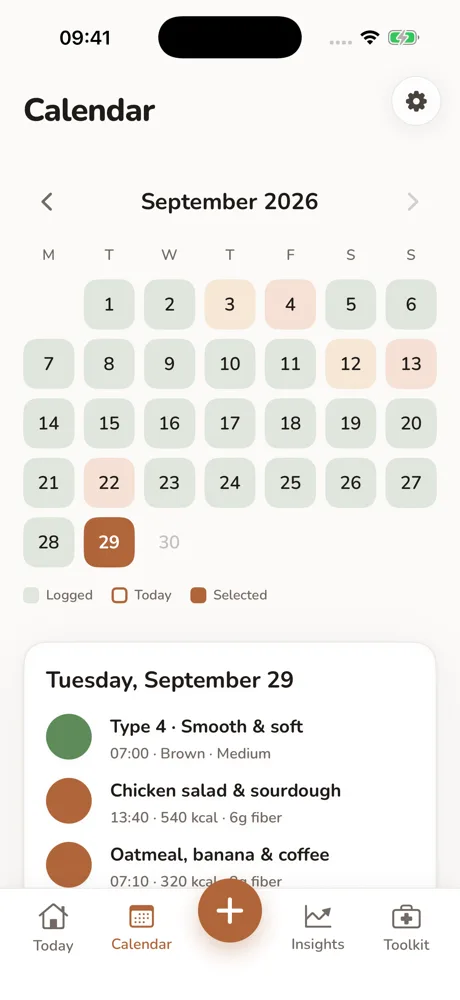
Everyone responds differently, so your own records will tell you more than any general rule. NIDDK suggests that people with chronic diarrhea keep a food journal tracking what they eat and drink, what symptoms they have, when symptoms occur and which foods and drinks make symptoms worse, then take those notes to a doctor. The same idea works for anyone curious about coffee or alcohol.
A week of entries might look like this:
| When | What you log | Note |
|---|---|---|
| Monday, 07:30 | Drink: coffee with milk, 1 mug | Before breakfast |
| Monday, 07:50 | Bowel movement: Bristol type 5 | Urgent, 20 minutes after coffee |
| Tuesday, 07:30 | Drink: black coffee, 1 mug | With oatmeal |
| Tuesday, 08:30 | Bowel movement: Bristol type 4 | Not rushed |
| Friday, 20:00 | Drinks: 3 glasses of wine, 1 glass of water | Late dinner |
| Saturday, 09:15 | Bowel movement: Bristol type 6; symptom: cramps | Felt thirsty, dark pee |
Change one thing at a time
If you suspect milk in your coffee, try it black for a week and keep logging, rather than changing everything at once. Our food and symptom diary guide explains how to read your notes, and the Bristol stool chart explains the types.
When to get advice
The NHS says to see a GP if you think you might have IBS and have had symptoms for over 4 weeks. It also lists signs of dehydration in adults: feeling thirsty, dark yellow and strong smelling pee, peeing less often than usual, feeling dizzy or lightheaded, and a dry mouth, lips and tongue. Ask for an urgent GP appointment or contact NHS 111 if you feel dizzy when you stand up and it does not go away, or you have dark yellow pee or are peeing less than normal. Outside the UK, contact your doctor or local urgent care service.
If you want to cut down, the NHS alcohol advice pages include tips on cutting down and where to find support. Our when to see a doctor guide brings the warning signs for bowel changes together.
Common questions
Why does coffee make me poop immediately?
Cleveland Clinic says the urge can come in as little as four minutes. Coffee can raise hormones that trigger bowel contractions, and your gut is more prone to movement early in the day.
Does decaf coffee make you poop too?
It can. Cleveland Clinic says decaf is not as strong as regular coffee, but it still has a laxative effect because of the natural acids in coffee. Caffeinated coffee raised gut activity 23% more than decaf in the research it describes.
Why does coffee make me poop but not energy drinks?
According to Cleveland Clinic, the effect comes from caffeine working together with coffee's own acids, not caffeine alone. That is why it says caffeinated energy drinks do not have the same effect.
Is coffee dehydrating?
MedlinePlus says caffeine makes you pee more, and too much can contribute to dehydration. But the NHS counts tea and coffee towards your daily fluids. If you are already dehydrated, the NHS says to avoid caffeine and alcohol while you rehydrate.
Does alcohol make you constipated or give you diarrhea?
The sources we checked do not give a simple answer. The NHS names alcohol as a possible IBS trigger, advises avoiding it when constipated, and NIDDK says alcohol could make acute diarrhea worse. A log of drinks and bowel movements will show your own pattern.
When to talk to a doctor
Contact a doctor promptly if you notice any of these. Get urgent help if you also feel faint, dizzy or very unwell.
- Blood in your stool, or black, tarry stool
- Pale, clay colored or white stool
- Losing weight without trying
- Severe or ongoing tummy pain
- A change in your usual pattern that lasts more than a few weeks
- Diarrhea with signs of dehydration, such as dizziness or very little urine
Sources
- Why does coffee make you poop?, Cleveland Clinic
- Caffeine, MedlinePlus (NIH)
- Water, drinks and hydration, NHS
- Dehydration, NHS
- The risks of drinking too much, NHS
- Symptoms of IBS (irritable bowel syndrome), NHS
- Constipation, NHS
- Eating, diet and nutrition for diarrhea, NIDDK (NIH)
How this page was made. Written by the Log For Your Log team with AI drafting help, then checked line by line against the sources below. Read how we write Learn.