Red poop after beets: how to tell it from blood
Red in the toilet the morning after a beet salad is a classic scare, and it is usually just beet pigment. But red can also be blood, and that needs checking. Here is how beet color works, how long it lasts, what to look at, and what to do if you are not sure.
Updated November 5, 2026 · 7 min read · By the Log For Your Log team · 6 sources
 Was it the beet salad? Free on iPhone.Get the app
General information, not medical advice. This page can help you notice patterns and talk with a clinician. It cannot tell you what is causing a symptom.
Why beets turn poop red
Beets get their intense color from a red pigment called betanin. Cleveland Clinic explains that some people cannot fully break it down. A urologist there says that if your stomach is not acidic enough, a lot of the pigment gets past the stomach and into the colon, which is why beets are more likely to turn your stool a reddish amber color than to change your pee.
Red pee after beets has a name, beeturia, and studies suggest only about 10% to 14% of people get it. Beet poop does not have a medical name, but Cleveland Clinic says it is far more common. Another Cleveland Clinic article notes that betanin can give stool a blood-red color, and that the results tend to scare some people (Cleveland Clinic).
The reassuring part: on its own, red poop or pee from beets is not dangerous. The Cleveland Clinic urologist calls it totally benign, more of a curiosity than a concern.
Why it happens some days and not others
If beets turned your poop red last week but not this week, that is normal. Cleveland Clinic lists several things that make a difference:
- The type of beet. It happens with pure beets, not foods with processed beet flavor. Beet powder in a smoothie or a cereal using natural dye is unlikely to have an effect.
- Raw or cooked. Raw beets and beet juice are likely to give a stronger pink or red color than cooked beets.
- How much you eat. More beets or more juice can mean more color.
- Golden beets too. They are not red, but they contain betanin and can still give a pinkish hue.
- Stomach acid. Acid levels in your stomach and small bowel help decide whether the color comes through. Some medicines that lower stomach acid, and conditions that affect how you digest and absorb nutrients, can make it more likely.
Other foods that can turn poop red
Beets are not the only culprit. Cleveland Clinic's stool color guide lists drinks with red food coloring and foods like tomato juice, beets and cranberries as food causes of red poop. Its diet article adds red foods like cherries and tomatoes. The NHS says poo can look like it is mixed with blood if you have eaten a lot of red or purple foods like tomatoes and beetroot, and MedlinePlus says beets and foods with red coloring can sometimes make stools appear reddish.
Beets or blood: what to look at
You cannot always tell by looking. A doctor can test a stool sample for blood if there is any doubt (MedlinePlus). These questions help you decide what to do next.
| Question | Points toward food | Points toward getting checked |
|---|---|---|
| Did you eat beets or red food recently? | Beets, beet juice, red-dyed food, tomatoes or cranberries in the past 48 hours | No beets, dragon fruit, blackberries, rhubarb or red-dyed food in the past 48 hours |
| How long has it lasted? | Fading as the food passes through | Still red 48 hours after you ate the food |
| Where is the red? | None of these signs | Blood on toilet paper, red streaks on the outside of poo, or pink water in the toilet bowl |
| How do you feel? | Well, no other symptoms | Pain around the bottom, tummy pain, diarrhea, feeling tired, dizzy or unwell |
When in doubt, ask
If you are unsure whether it is beets or blood, it is reasonable to contact a doctor. Mention what you ate, because a stool test can check for blood.
A simple way to check: take a beet break
The Cleveland Clinic urologist suggests taking occasional beet breaks, so you can be sure beets are behind the red in your toilet. In practice that looks like this:
- Write down when you ate beets and roughly how much, raw or cooked, and whether it was juice.
- Skip beets and red-dyed food for a couple of days. Cleveland Clinic says a food-related tint should disappear once the source is flushed from your system, which could take a few days.
- Watch the next few poops. If the red fades back to brown, beets were very likely the reason.
- If it does not fade, or you see any signs of bleeding, contact a doctor rather than waiting for the next beet test.
What a useful log entry looks like
Short notes like these make it easy to see the pattern, or to explain it to a doctor:
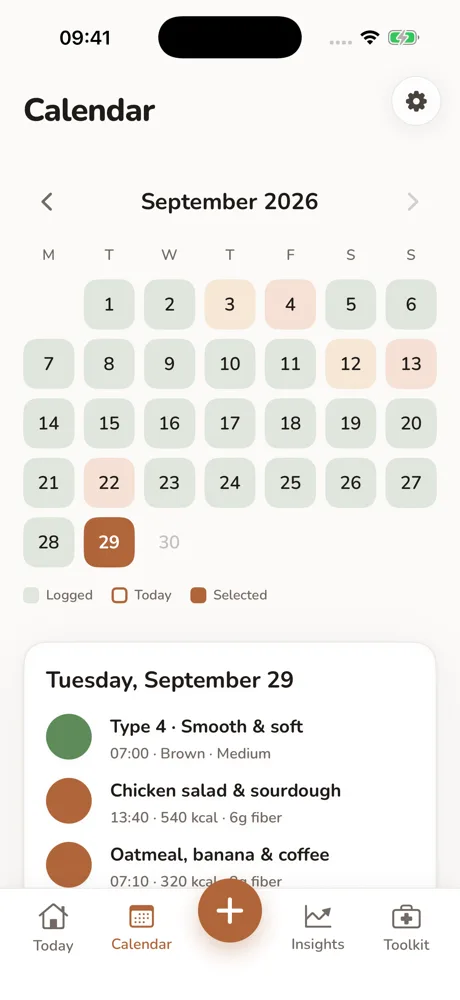
- Sunday 7:15 pm: meal: roasted beet and goat cheese salad, a large portion.
- Monday 8:00 am: type 4, red. Note: deep red all through, no pain, no blood on paper.
- Tuesday 8:20 am: type 4, brown. Note: no beets since Sunday.
Signs that it may be blood
The NHS says you might be bleeding from the bottom if you have blood on your toilet paper, red streaks on the outside of your poo, pink water in the toilet bowl, blood in your poo or bloody diarrhea, or very dark poo, which can be blood mixed in. MedlinePlus explains that red or fresh blood in the stool is most often a sign of bleeding from the lower digestive tract, while black, tarry stools may mean bleeding higher up.
The NHS also says a small amount of one-off bleeding can often go away on its own. The thresholds below show when to act. Cleveland Clinic lists rectal bleeding from hemorrhoids, ulcers or fissures, and inflammatory bowel disease, among the health causes of red poop. A doctor can work out which, if any, applies to you.
When to see a doctor
Contact your primary care provider if your poop is red and you have not eaten beets, dragon fruit, blackberries, rhubarb or food dyed red in the past 48 hours, or if you did and it is still red 48 hours later (Cleveland Clinic). The same applies if you take medicines that change your usual stool color, or have been told you have iron-deficiency anemia.
The NHS advises:
- See a GP if you have had blood in your poo for 3 weeks, your poo has been softer, thinner or longer than normal for 3 weeks, you are in a lot of pain around the bottom, you have pain or a lump in your tummy, you have been more tired than usual, or you have lost weight for no reason.
- Ask for an urgent appointment if your poo is black or dark red, or you have bloody diarrhea.
- Get emergency help if you are bleeding non-stop, or there is a lot of blood, for example the toilet water turns red or you see large blood clots. Do not drive yourself.
- NIDDK says that if you have symptoms of bleeding in the digestive tract, you should seek medical help right away. MedlinePlus adds feeling dizzy or lightheaded, or vomiting blood, as reasons to contact a provider right away.
Common questions
How long does red poop last after eating beets?
Cleveland Clinic says a food-related tint should disappear once the food is flushed from your system, which could take a few days. Its urologist suggests contacting a doctor if your poop is still red 48 hours after eating beets (Cleveland Clinic).
Is red poop after beets normal?
Yes, it is common. Cleveland Clinic says beet poop is far more common than red pee from beets, and that the color from beets on its own is not dangerous.
How do I know if it's beets or blood?
Think about whether you ate beets or red food in the past 48 hours and whether the red is fading. Blood on toilet paper, streaks on the outside of poo, pink toilet water or bloody diarrhea are signs of bleeding (NHS). If you are unsure, a doctor can test a stool sample for blood.
Can beets cause red diarrhea?
Beet pigment can color any stool, loose or firm. But bloody diarrhea is a reason to ask for an urgent appointment, according to the NHS, so if you are not sure the red is from beets, get it checked.
Can beets make your poop look black?
The sources we checked describe beets turning stool red or reddish amber, not black. MedlinePlus lists black licorice, blueberries, iron pills and some stomach medicines as things that can turn stool black, and says black, tarry stools can mean bleeding in the upper digestive tract, so contact a doctor if you see them.
When to talk to a doctor
Contact a doctor promptly if you notice any of these. Get urgent help if you also feel faint, dizzy or very unwell.
- Blood in your stool, or black, tarry stool
- Pale, clay colored or white stool
- Losing weight without trying
- Severe or ongoing tummy pain
- A change in your usual pattern that lasts more than a few weeks
- Diarrhea with signs of dehydration, such as dizziness or very little urine
Sources
- Beets can turn poop and pee red: here's why you shouldn't freak out, Cleveland Clinic
- Can food change the color of your poop?, Cleveland Clinic
- What does my stool (poop) color mean?, Cleveland Clinic
- Bleeding from the bottom (rectal bleeding), NHS
- Black or tarry stools, MedlinePlus
- Gastrointestinal (GI) bleeding, NIDDK (NIH)
How this page was made. Written by the Log For Your Log team with AI drafting help, then checked line by line against the sources below. Read how we write Learn.