Why does my poop smell so bad? Common causes and when to check
Poop never smells nice, but some days it is noticeably worse. Most of the time that comes down to what you ate. Sometimes a strong smell comes with other changes, like greasy or black stools, that are worth getting checked. Here is how to tell the difference.
Updated October 30, 2026 · 6 min read · By the Log For Your Log team · 5 sources
 Was it the chili or something more? Free on iPhone.Get the app

General information, not medical advice. This page can help you notice patterns and talk with a clinician. It cannot tell you what is causing a symptom.
What counts as a normal smell
Poop is supposed to smell. MedlinePlus says stools normally have an unpleasant odor, and most of the time the odor is familiar. Foul-smelling stools are stools with a very bad odor. MedlinePlus says they very often have to do with what you eat, and that they also have normal causes, such as diet changes. An extremely bad, abnormal odor may be due to certain medical conditions.
So the useful question is not whether your poop smells, but whether the smell has changed, how long the change has lasted, and what else has changed with it. A strong smell after a big weekend of different food is one thing. A new smell that sticks around for weeks, with loose or greasy stools, is another.
Food and diet changes
Diet is the first thing to look at. MedlinePlus lists diet changes as a normal cause of foul-smelling stools, and when you see a provider about it, they are likely to ask what you have eaten recently and whether a change in your diet makes the smell better or worse.
We did not find a reputable list of foods that make stool itself smell worse. What Cleveland Clinic does describe is the same process for gas: digestion sometimes produces hydrogen sulfide, which has a rotten-egg smell, and the number one reason for stinky gas is something you consumed. The foods it names include:
- Beans, which contain carbohydrates and sugars that do not digest easily and can ferment in the gut.
- Cruciferous vegetables, like broccoli, Brussels sprouts, cauliflower and cabbage, which are high in sulfur.
- Other high-sulfur foods, including beer and wine, eggs, garlic, grains, meats, nuts and onions. Protein powders that contain whey can also cause strong gas.
- Dairy, if you have an intolerance or sensitivity to lactose.
- Sugar alcohols and artificial sweeteners, which your body cannot fully absorb.
Do not cut out healthy foods on a hunch
Beans, broccoli and other high-fiber foods are good for regularity. If you suspect a food, log it for a week or two first, and talk to a doctor or dietitian before cutting out whole food groups.
Other everyday causes
A few other things can make poop or gas smell stronger for a while:
- Medicines, especially antibiotics. Cleveland Clinic says they can throw your digestive system into temporary turmoil and, in some cases, lead to a C. diff infection. Do not stop a prescribed medicine without talking to a health professional.
- Your own gut bacteria. The chemistry is different in everyone's gut, and some people simply have bacteria that make gas smell stronger.
- Stomach bugs. MedlinePlus lists intestinal infection among the causes of foul-smelling stools. NIDDK says the most common causes of acute diarrhea are viral gastroenteritis, food poisoning and medicine side effects.
- An occasional fatty meal. Cleveland Clinic says you might have an occasional fatty poop after eating a fatty meal, and that fatty poops tend to be smellier.
Foul, greasy, floating stools
This combination is the one to take seriously when it keeps happening. Cleveland Clinic describes fatty poops, called steatorrhea, as looser, smellier and paler in color, like clay, and says they might float. People also describe them as bulky, greasy, foamy or hard to flush. A single one after a rich meal can happen. If you have them consistently, Cleveland Clinic says it is a sign that something in your digestive system is not working right, and that if you have steatorrhea and do not know why, you should seek medical attention.
NIDDK lists loose, greasy, foul-smelling bowel movements among the symptoms of malabsorption, which is when your body cannot absorb enough nutrients from food. Other symptoms include bloating, gas and changes in appetite. MedlinePlus lists malabsorption, celiac disease, Crohn's disease, ulcerative colitis and chronic pancreatitis among the possible medical causes of foul-smelling stools. Only a doctor can work out whether any of these apply to you, so the job here is simply to notice the pattern and book the appointment.
Black, tarry stool with a strong smell
One smell needs prompt attention. Cleveland Clinic says black stool that looks tarry or sticky and has a strong smell might be melena, which means bleeding somewhere inside the digestive tract. Melena is known for its particularly strong, offensive odor, which comes from blood being broken down in the gut. Cleveland Clinic notes that you will not notice the same smell with poop that has simply been stained black, for example by iron, which does not have blood in it.
If you think you might have melena, contact a doctor promptly. Cleveland Clinic says to go to urgent care or an emergency room if you also vomit blood or something that looks like coffee grounds, feel dizzy, weak or lightheaded, have heart palpitations and shortness of breath, or have had several days of black stool or blood in your stool.
What a useful log entry looks like
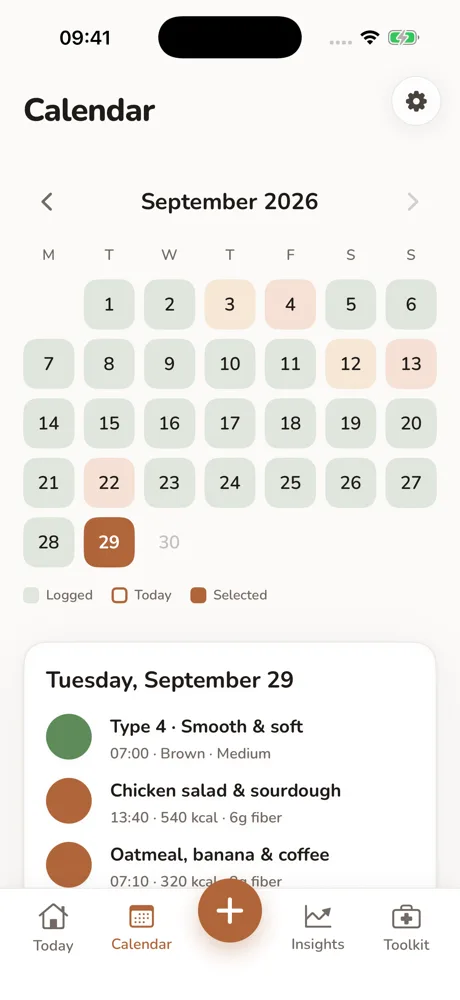
Smell is hard to describe, so keep notes short and consistent. Pair them with the type, the color and what you ate:
- Saturday 9:00 am: type 5, brown. Note: very strong smell. Big bean chili and two beers last night.
- Monday 8:10 am: type 4, brown. Note: normal smell.
- Over three weeks: several entries noting type 6, pale, greasy, floats, hard to flush, very strong smell. Jeans looser. Booked a doctor's appointment and brought the log.
When to see a doctor
MedlinePlus says to contact your provider if you have foul-smelling stools along with any of these:
- Black or pale stools often
- Blood in the stool
- Changes in the stool related to diet
- Chills, fever or cramping
- Pain in the abdomen
- Weight loss
If you also have diarrhea
NIDDK says adults should talk with a doctor right away if diarrhea lasts more than 2 days, or comes with a high fever, six or more loose stools a day, severe pain in the abdomen or rectum, stools that are black and tarry or contain red blood or pus, or signs of dehydration. Drink plenty of fluids in the meantime.
Common questions
Why does my poop smell so bad all of a sudden?
The most common reason is a change in what you have eaten. MedlinePlus lists diet changes as a normal cause of foul-smelling stools, and intestinal infections as another cause. If the smell sticks around or comes with diarrhea, fever, pain, blood or weight loss, contact a provider.
Is very smelly poop a sign of something serious?
Usually not on its own. It is more of a concern when it comes with other changes. MedlinePlus advises contacting a provider if you also have black or pale stools often, blood in the stool, fever, chills, cramping, abdominal pain or weight loss.
Why does my poop smell so bad after drinking alcohol?
We did not find a reputable source on alcohol and stool smell specifically. Cleveland Clinic lists beer and wine among the high-sulfur items that can make gas smell worse. If drinking often leads to strong-smelling or loose stools, logging it can help you see the pattern.
What does it mean if poop smells bad and floats?
An occasional floating, smelly poop after a fatty meal can happen. Stools that are smelly, greasy, pale and float on a regular basis can be a sign of steatorrhea, too much fat in your poop, which Cleveland Clinic says needs medical attention if you do not know why it is happening.
Can antibiotics make poop smell worse?
They can. Cleveland Clinic says antibiotics can throw your digestive system into temporary turmoil and lead to foul-smelling gas, and in some cases a C. diff infection. If you develop diarrhea during or after antibiotics, tell the doctor or pharmacist who prescribed them.
When to talk to a doctor
Contact a doctor promptly if you notice any of these. Get urgent help if you also feel faint, dizzy or very unwell.
- Blood in your stool, or black, tarry stool
- Pale, clay colored or white stool
- Losing weight without trying
- Severe or ongoing tummy pain
- A change in your usual pattern that lasts more than a few weeks
- Diarrhea with signs of dehydration, such as dizziness or very little urine
Sources
- Stools: foul smelling, MedlinePlus
- Why do farts smell and what does that say about your health?, Cleveland Clinic
- Steatorrhea (fatty stool), Cleveland Clinic
- Melena (black stool), Cleveland Clinic
- Symptoms and causes of diarrhea, NIDDK (NIH)
How this page was made. Written by the Log For Your Log team with AI drafting help, then checked line by line against the sources below. Read how we write Learn.