Sticky poop: why it is hard to wipe and when to check
Poop that smears, clings to the bowl and takes forever to wipe. An occasional sticky day is usually nothing to worry about. Here is what can cause it, how to make it less of a mess, and the combinations that do need a healthcare provider.
Updated October 26, 2026 · 6 min read · By the Log For Your Log team · 7 sources
 Find the meal behind the sticky days. Free on iPhone.Get the app
General information, not medical advice. This page can help you notice patterns and talk with a clinician. It cannot tell you what is causing a symptom.
What counts as sticky poop
Cleveland Clinic describes sticky stools as having a gluey or tacky consistency that makes them harder to wipe away. They may also cling to the side of the toilet bowl, even after repeated flushing. Many people search for it as poop that is hard to wipe, or that smears and never seems to finish.
The same article quotes a nurse practitioner who specializes in digestive disorders: occasional sticky stools usually are not something to worry about. Stool shape, color and smell change from day to day, and many things can make stool stickier than usual. The useful question is whether it is a one-off after a particular meal, or something that keeps happening.
Everyday causes
Cleveland Clinic lists four main reasons stool can turn sticky. Two of them are common and usually easy to explain:
- Extra mucus. Stools naturally contain small amounts of mucus, a gel-like substance that lubricates the lining of your intestines and your stool, making it easier to poop. Cleveland Clinic says constipation, hemorrhoids and inflammation can make your intestines produce more mucus than usual, and you may notice jelly-like strands that stick to the toilet paper or bowl. It adds that sticky stool with visible mucus is very common in people with irritable bowel syndrome.
- A lot of high-fat food. Overdoing high-fat foods can make stools greasier as the extra fat leaves your body. That oil can stick to the bowl and leave a film on the water. Cleveland Clinic names fried foods, red meat, and whole milk and other full-fat dairy products as examples, and says fatty stools tend to be pale, loose and buoyant.
Causes that need a closer look
The other two causes on Cleveland Clinic's list are less common, and they are the reason persistent stickiness should not be ignored.
Black, tarry stool. Cleveland Clinic says sticky stool that is black and tarry may be a sign of bleeding in the upper digestive tract, often from stomach ulcers, and that you should tell your healthcare provider right away. MedlinePlus explains that blood from higher up is darker because it gets digested on its way through. It also notes that black licorice, blueberries, blood sausage and some medicines or supplements can turn stool black, and that a provider can test the stool for blood. If you are not sure, get it checked rather than guessing.
Trouble absorbing fat. Cleveland Clinic explains that when the pancreas does not make enough digestive enzymes, fat is not broken down properly, giving fatty stools with excess oil that cling to the bowl and may leave a yellow stain. NIDDK lists loose, greasy, foul-smelling bowel movements among the symptoms of malabsorption, along with bloating, gas and changes in appetite. MedlinePlus says adults with malabsorption may have weight loss, muscle wasting and weakness.
What helps
For the everyday kind, Cleveland Clinic says sticky stools that go away after a few days are rarely a cause for concern, and suggests:
- Drink plenty of water. Cleveland Clinic says this helps lubricate your intestines and stool.
- Eat more high-fiber foods. NIDDK says adults should get 22 to 34 grams of fiber a day depending on age and sex, added a little at a time, with liquids alongside it.
- Cut back on high-fat foods and dairy products for a few days and see whether things change.
- Keep taking prescribed treatments and following any diet you have been given for a condition that causes sticky stool.
Test one food at a time
If you suspect a fatty meal, note it and wait a day or two before changing anything else. A pattern of sticky days after the same kind of meal is a clear clue.
Making it easier to clean up
A colorectal surgeon writing for Cleveland Clinic warns that too much wiping can irritate the delicate skin around the anus, causing tiny tears, burning and itching. A few practical points from that article:
- Wipe gently and do not overdo it.
- Wet wipes are not a necessity, and they often contain alcohols or fragrances that can irritate the skin. Plain toilet paper is a better choice.
- A bidet, followed by gently patting dry, is described as the gold standard for getting clean.
- Do not sit and strain for long. The same surgeon suggests aiming to be done in under five minutes.
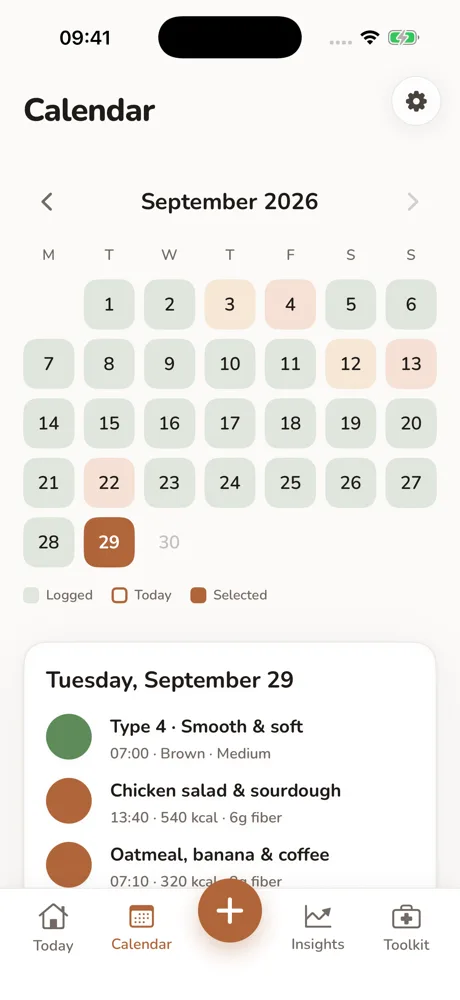
What a useful log entry looks like
Sticky days are easiest to explain when you can see what you ate the day before. A short note is enough:
- Sunday 9:00 am: type 5, pale brown. Note: sticky, hard to wipe, floated. Fried chicken and milkshake last night.
- Monday 8:30 am: type 4. Note: normal. Lighter dinner.
- Thursday 7:45 am: type 2. Note: sticky with clear mucus streaks. Not much water this week.
When to see a doctor
Cleveland Clinic says to contact a healthcare provider if sticky stool persists for more than a week, or if you have other concerning symptoms. It says black, tarry stool, severe abdominal pain and unintentional weight loss require urgent medical attention.
Persistent greasy, foul-smelling or oily stools are also worth raising, especially if you are losing weight without trying. MedlinePlus says to contact your provider if you have symptoms of malabsorption.
For mucus, Cleveland Clinic says some clear mucus is normal, but contact a healthcare provider if there is blood in the mucus or if it is off-white or yellowish. Our when to see a doctor guide has the full list of warning signs.
Common questions
Why is my poop sticky and hard to wipe?
Often it is extra mucus or extra fat. Cleveland Clinic says constipation, hemorrhoids and inflammation can increase mucus, and that a lot of high-fat food can make stools greasier and more likely to cling to the bowl.
What causes sticky poop in adults?
Cleveland Clinic lists four main causes: excess mucus, a high-fat diet, bleeding from ulcers higher up the gut, which gives black, tarry stool, and pancreas problems that stop fat being digested properly. The first two are the most common day-to-day reasons.
How do I stop sticky poop?
For the everyday kind, Cleveland Clinic suggests drinking plenty of water, eating more high-fiber foods and cutting back on high-fat foods and dairy. If it lasts more than a week, contact a healthcare provider.
Can constipation cause sticky poop?
It can. Cleveland Clinic says constipation can make your intestines produce more mucus than usual, which can leave jelly-like strands that stick to the toilet paper or bowl.
What does sticky poop like tar mean?
Black, tarry, sticky stool can be a sign of bleeding in the upper digestive tract. Cleveland Clinic says it requires urgent medical attention. MedlinePlus notes some foods and medicines can also darken stool, so let a provider check rather than guessing.
Is it normal to have sticky poop sometimes?
Yes. Cleveland Clinic says occasional sticky stools usually are not something to worry about, and sticky stools that go away after a few days are rarely a cause for concern. If it keeps happening for more than a week, or comes with other symptoms, contact a healthcare provider.
When to talk to a doctor
Contact a doctor promptly if you notice any of these. Get urgent help if you also feel faint, dizzy or very unwell.
- Blood in your stool, or black, tarry stool
- Pale, clay colored or white stool
- Losing weight without trying
- Severe or ongoing tummy pain
- A change in your usual pattern that lasts more than a few weeks
- Diarrhea with signs of dehydration, such as dizziness or very little urine
Sources
- 4 reasons your poop is sticky, Cleveland Clinic Health Essentials
- Mucus in stool, Cleveland Clinic
- How to poop properly: positions and posture, Cleveland Clinic Health Essentials
- Black or tarry stools, MedlinePlus
- Malabsorption, MedlinePlus
- Symptoms and causes of diarrhea, NIDDK (NIH)
- Eating, diet and nutrition for constipation, NIDDK (NIH)
How this page was made. Written by the Log For Your Log team with AI drafting help, based on our in-app Learn library, then checked line by line against the sources below. Read how we write Learn.